As we head into the summer holiday season, we wanted to highlight a simple but costly scam that has been catching out tourists abroad.
The scam usually happens during an everyday purchase. It could be a taxi journey, food from a street vendor, or a small item bought while you are out and about.
The price is agreed, or shown briefly on the card reader, and everything appears normal. But just before the payment goes through, the amount is quietly changed. In some reported cases, tourists have only realised afterwards that a small payment has turned into hundreds, or even thousands, of pounds.
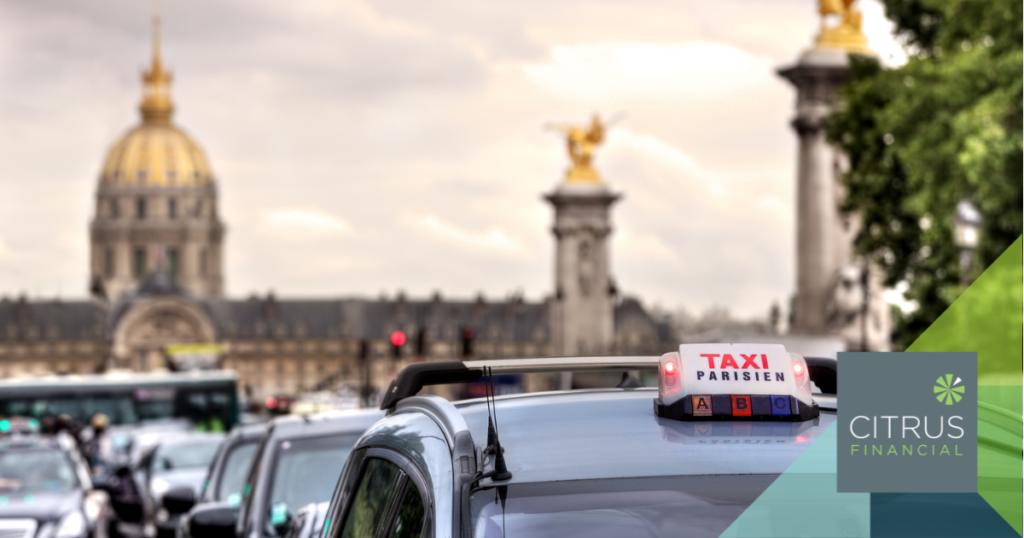
Examples reported in the press include a short taxi journey in Paris allegedly being changed from less than €10 to €570, and beach snacks in Brazil costing far more than expected after extra zeros were added to the card reader.
It is easy to see how this can happen. When you are on holiday, you may be tired, distracted, dealing with an unfamiliar currency, or trying to navigate a language barrier. Scammers know this, and they rely on people tapping quickly without checking the final amount.
Unfortunately, getting the money back is not always straightforward. Because the payment has usually been approved in person by card or phone, banks may treat it differently from other types of fraud. That means it is far better to prevent the scam happening in the first place.
How to protect yourself
Before you tap, insert your card or approve a mobile payment:
- Always check the amount on the card reader yourself.
- Be wary if the seller turns the terminal away from you.
- Do not let anyone rush you into tapping your card or phone.
- Ask for a receipt, especially for taxis or larger payments.
- Consider using cash for small purchases from mobile vendors or street sellers.
- Turn on instant spending alerts in your banking app so you can spot anything unusual quickly.
- Contact your bank immediately if a payment looks wrong.
You should be especially cautious if a seller says there is a problem with the signal, claims the receipt machine is not working, or asks you to pay through a car window or with the screen partly hidden.
Most holiday payments are perfectly genuine, but this is a useful reminder to pause before you tap.
A few seconds spent checking the screen could prevent a very expensive mistake.
Please stay alert, and feel free to share this warning with anyone heading away this summer.